Clinic List | Tinnitus Remedies Center
This Resource Changed: 19 October 2026 19:47
Choose the Right Ear Wax Removal Clinic for Your Needs
If you are browsing the clinic list, the goal is refreshingly simple, to find a local ear wax removal clinic that fits your location, mobility needs and preferred appointment style. This page gathers private microsuction services across Kent, North London, West London, Sussex, Buckinghamshire and beyond, so you can compare convenient options without trawling through city by city searches. Each clinic page sets out practical details such as access, parking, nearby transport links and the audiology support available, helping you make a calm, informed decision. For many people, the priorities are fairly straightforward: safe ear cleaning, a clear hearing assessment and a clinic that is easy to reach.
What to Check Before You Book
When you compare clinics, it is worth checking whether the service offers microsuction, manual instrument ear wax removal, or both, because the most suitable approach can depend on your ear health and the shape of the ear canal. It also makes sense to look for ground-floor access, wheelchair support, disabled parking or a lift if you need step-free entry. If you are driving, parking information matters. If you rely on public transport, look for nearby stations, bus routes or short walking distances. A useful clinic list should surface those details clearly, so you can choose a service that feels both practical and professional.
Use Location Details to Narrow Your Search
Some clinics are based in pharmacies, health centres, spa premises or dedicated hearing centres, and that can shape how easy the visit feels on the day. You might prefer a site close to a station, while someone else may need free parking or easy disabled access. If you are comparing options for tinnitus care, blocked ears or hearing reduced by wax build-up, the best clinic is often the one that balances clinical expertise with real-world convenience. Look out for clear location notes, postcode details and directions that make the journey feel less daunting.
How This Directory Makes Comparing Services Easier
This clinic list is designed to simplify local comparison for people seeking ear wax removal in the UK. Instead of reading long descriptions across separate websites, you can scan clinic names, town coverage and access notes all in one place. That saves time and helps you focus on the facts that matter most, where the clinic is, how easy it is to reach, and what kind of ear care is offered. For anyone with blocked ears, tinnitus symptoms or a request for microsuction, a clear clinic directory can reduce guesswork and support a better booking choice.
Details You Will Find on Each Clinic Page
- Service focus, such as microsuction ear wax removal or manual instrument treatment, so you can match the clinic to your needs.
- Town or area served, which helps you see quickly whether the clinic suits your postcode and travel plans.
- Venue type, for example a pharmacy, health centre or specialist hearing site, which can help set expectations before you arrive.
- Transport landmarks, including nearby stations, major roads or shopping centres, which can make journey planning much simpler.
- Parking and disabled access information, especially useful if you need step-free entry or want to avoid a long walk.
Why Clear Local Information Matters
Search engines and voice assistants both work better when clinic information is specific, consistent and easy to understand. That is why a strong local listing should use precise place names, useful access notes and clear service language. For users, that means quicker decisions and fewer surprises when they arrive. For clinics, it builds trust because the page answers practical questions without sending people elsewhere. If you want a straightforward route to private ear wax removal, a well-organised clinic list is one of the easiest ways to shortlist suitable providers.
Private Microsuction Clinics Across Several UK Areas
The clinics on this page cover a broad spread of locations, including Ashford, Barnet, Cambridge, Ealing, Enfield, Hastings, Oxford, Reading and Watford. That range is useful for people who want specialist ear care close to home or near a regular route to work. Microsuction is often preferred because it is a dry procedure and may suit many adults with ear wax build-up, although the right treatment should always follow a proper assessment. A wide clinic list gives you options, which matters if you need a provider in North London, South West London, Kent, Hertfordshire or East Sussex.
How Your Location Choice Can Shape the Visit
Choosing a nearby clinic can reduce travel stress, especially if you are already coping with muffled hearing, ear pressure or tinnitus. In many cases, the most practical option is not simply the nearest postcode on a map, but the site that offers the best mix of access, parking and appointment convenience. Some people will want a clinic beside a station, while others may need a site with free parking or easy road access from the M1, A1, A34 or local high street routes. Those details can be the difference between a rushed appointment and a smooth, manageable visit.
Check Access Before You Set Off
If you use a wheelchair, pushchair or mobility aid, the smaller details matter. Ground-floor treatment rooms, disabled parking and lifts are worth confirming before you book. Likewise, if you are bringing an older relative or arranging care for a child, you may want to check the clinic layout and waiting area arrangements. Practical access is not just a convenience, it is part of good patient care and a sign that the clinic understands real-life needs. When the location is clear and the route is simple, it is much easier to arrive relaxed and ready.
What Happens at a Specialist Ear Wax Removal Appointment
A typical private ear wax removal appointment begins with a brief discussion of your symptoms, hearing concerns and medical history. The clinician may then examine the ear canal and ear drum before deciding whether microsuction or another method is suitable. This helps reduce the chance of unnecessary treatment and gives the practitioner an opportunity to spot issues that may need referral. Many people book because of blocked ears, reduced hearing or discomfort, but some also seek support when wax may be contributing to tinnitus or a feeling of fullness.
The Usual Steps in the Appointment
- A short consultation, where the clinician asks about your symptoms, past ear problems and any relevant surgery or infection history.
- An examination using an otoscope or similar instrument, so the practitioner can see whether wax is present and whether removal is appropriate.
- The treatment itself, often microsuction, which uses gentle suction under direct vision to clear the canal safely and precisely.
- A post-treatment check, where the clinician confirms that the ear canal is clear and that no further immediate action is needed.
- Aftercare advice, which may include keeping the ear dry for a short time and returning if symptoms persist or recur.
Why the Assessment Stage Matters
Not every change in hearing is caused by wax, so a careful assessment is essential. A good clinician will not rush into treatment if the ear looks inflamed, impacted or unsuitable for suction. They should also explain the process in plain language and answer questions clearly. That is one reason patients often prefer specialist audiology-led clinics, because the care is focused on both the procedure and the wider hearing picture. If your concern is ear wax, dizziness, tinnitus or blocked hearing, a proper assessment gives you a safer starting point.
Accessibility, Parking and Arrival Details Are Important
When people search for a clinic, they rarely want clinical detail alone. They want to know how easy it will be to get there, where to park and whether they can enter without difficulty. This matters especially for older adults, people with reduced mobility and anyone travelling while uncomfortable or anxious about ear symptoms. The clinic list highlights location notes that answer those practical questions before you book, which can save time and reduce stress on the day.
Why Access Information Belongs in the Decision
Useful access details can include ground-floor rooms, step-free routes, wheelchair lifts, disabled bays, nearby stations and free on-street parking. These may sound like minor points, yet they can have a major impact on the overall patient experience. If you are comparing clinics in places like Barnet, Colindale, Kingston, Surbiton or St Albans, the transport and parking picture may be just as important as the treatment itself. Clear access information also helps family members or carers plan ahead, which can make the appointment feel more relaxed and efficient.
Practical Travel Checks Before You Leave
It is sensible to check the local road layout, parking restrictions and public transport links before setting off. If a clinic is near a station, that may suit you better than a longer car journey with uncertain parking. If you need disabled access, confirm whether it applies from street level or only after check-in. These small checks can prevent delays and make the visit feel more manageable. In a service area where people are often looking for relief quickly, reliable arrival information is a valuable part of patient-centred care.
Why a Specialist Ear Care Clinic Can Be the Better Fit
Specialist ear wax removal clinics are often designed to handle routine ear cleaning, impacted wax and symptom-led appointments efficiently. That is helpful if you want a focused service rather than a general health consultation. In many clinics, the practitioner is an audiologist or ear care specialist who performs microsuction daily, so the approach is technically precise and patient-centred. For people with tinnitus, blocked ears or difficulty hearing speech, this can be reassuring because the appointment stays centred on the ear canal and hearing health.
Experience Can Improve the Flow of the Visit
A clinic that carries out ear wax removal regularly is usually better prepared for different ear shapes, wax textures and patient concerns. That can mean clearer explanations, smoother treatment and more useful advice afterwards. It may also make it easier for the clinician to recognise when wax is not the main cause of symptoms and when another hearing assessment is needed. For patients, that experience often shows in the way the appointment is handled, from checking suitability through to giving aftercare instructions that are easy to follow.
Look for Communication That Puts You at Ease
Clear communication is a strong sign of quality. You should be told what the clinician can see, what treatment they recommend and what to expect during and after the appointment. If you feel rushed or confused, the service may not be right for you. By contrast, a well-run specialist clinic should make the process feel calm, organised and transparent. That is especially important if you are nervous, have had a previous ear problem or are booking for the first time. Confidence usually begins with clarity.
How to Choose Between Nearby Clinics
If several clinics are within reach, your decision may come down to a few simple factors. Start with the journey, then think about accessibility, service type and the overall impression the clinic gives through its information. A nearby site is not always the best option if parking is awkward or access is inconvenient. Likewise, a slightly longer journey may be worthwhile if the clinic offers easy parking, step-free entry and a strong focus on microsuction or manual wax removal.
A Straightforward Way to Shortlist Providers
Begin with the clinic pages that match your town or travel route, then review their access notes and service descriptions. If you are comparing options in places such as Oxford, Reading, Milton Keynes or Welwyn Garden City, it can help to check whether the clinic is near a station, has free parking or sits within a medical centre you already know. Once the practical side fits, look at the wording on the page. Clear, specific, patient-friendly language often reflects a well-organised service.
Trust the Details Rather Than the Headline
A headline can tell you that a clinic offers ear wax removal, but the detail shows whether it is likely to suit your needs. Look for the type of treatment, the exact location, access notes and any helpful guidance about directions. If the page is vague, you may spend longer trying to confirm basic facts. If the page is specific, the booking decision becomes much easier. That is the real value of a strong clinic list, it turns broad interest into practical next steps.
Who May Benefit from Ear Wax Removal
Ear wax removal can help people whose symptoms are caused, or made worse, by excess wax in the ear canal. Common reasons for booking include muffled hearing, a feeling of fullness, blocked ears, itching, discomfort and sound distortion. Some people also seek treatment because wax may be making tinnitus feel more intrusive. A clinic list is useful because it gives people a starting point when they want local support without having to search through several websites.
When It May Be Worth Booking
- If you hear ringing, buzzing or whooshing sounds and also feel blocked, clearing the canal may help a clinician assess the whole picture.
- If your hearing seems suddenly dull or uneven, especially after showering, swimming or using cotton buds, wax may be part of the problem.
- If you have tried home remedies without success, a clinical assessment is safer than repeated self-treatment.
- If you wear hearing aids, regular ear care can sometimes help keep fittings comfortable and reduce feedback caused by wax build-up.
- If one ear feels worse than the other, it is sensible to have it checked rather than assume it will settle by itself.
Taking a Cautious Approach Is Best
Not every ear symptom is caused by wax, so it is important not to self-diagnose. A professional can tell you whether wax removal is suitable or whether another issue needs attention. That makes specialist clinics useful not only for treatment, but also for reassurance. If the problem is wax, a proper procedure can bring relief. If the problem lies elsewhere, you have still taken a sensible first step towards the right care.
Use Local Pages to Plan a Smoother Visit
The individual clinic pages in this list are more than place markers. They help you plan the visit itself. A good page should tell you where the clinic is, how to get there and what sort of patient access is available. That is especially handy if you are fitting the appointment around work, school runs or public transport timetables. In a busy week, a clear page can save you from having to call for basic directions that ought to be easy to find.
Why Planning Matters for Private Appointments
Private ear wax removal often suits people who want quicker access and a more predictable appointment path. That makes planning even more important, because you will want to arrive on time and avoid unnecessary stress. If the clinic is near a station, close to major roads or next to a familiar shopping centre, those clues can help you judge whether the journey will be straightforward. If the page mentions disabled parking, a lift or ground-floor access, you can plan around your specific needs with greater confidence.
Small Details Can Make a Big Difference
Even modest things, such as whether parking is free for a short stay or whether a clinic sits inside a pharmacy, can affect how comfortable the visit feels. Those details help you picture the whole experience before you travel. When a directory is well built, it gives you enough information to make a sensible choice without making the process feel complicated. That is exactly what most people want from a clinic list, clear facts, local relevance and a simple route to booking.
Explore the trusted clinic providers in our list and find the one that suits you best:

Ashford: Private Microsuction Ear Wax Removal in Ashford Tn24
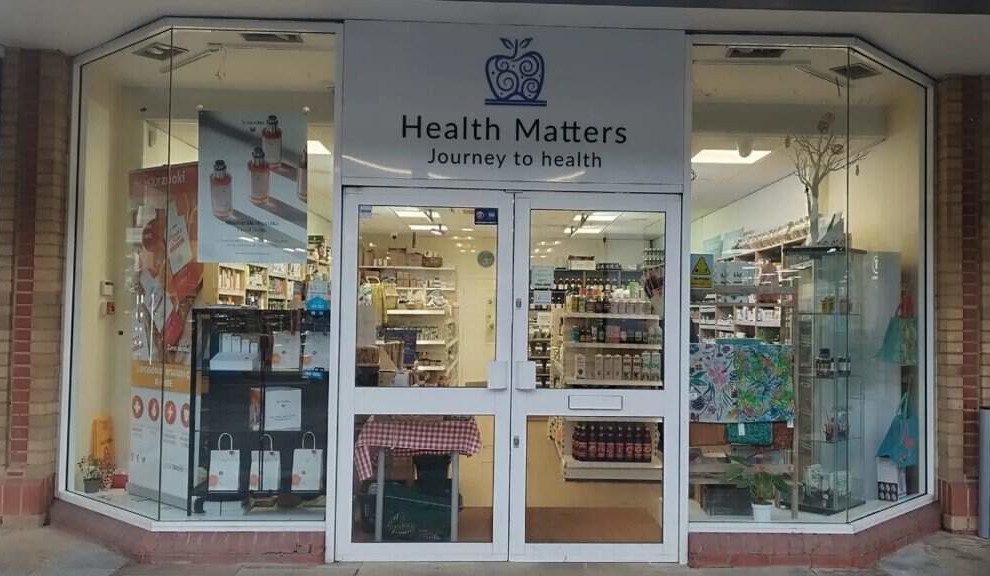
Barnet: Private Microsuction Ear Wax Removal in Barnet En5
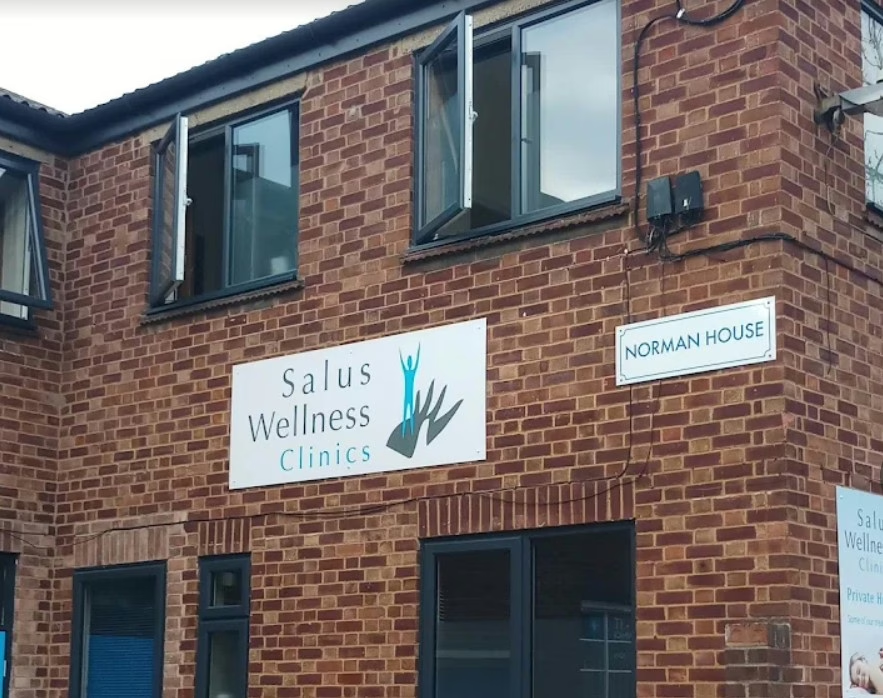
Cambridge: Private Microsuction Ear Wax Removal in Cambridge Cb2
Colindale: Private Microsuction Ear Wax Removal in North West London Nw4
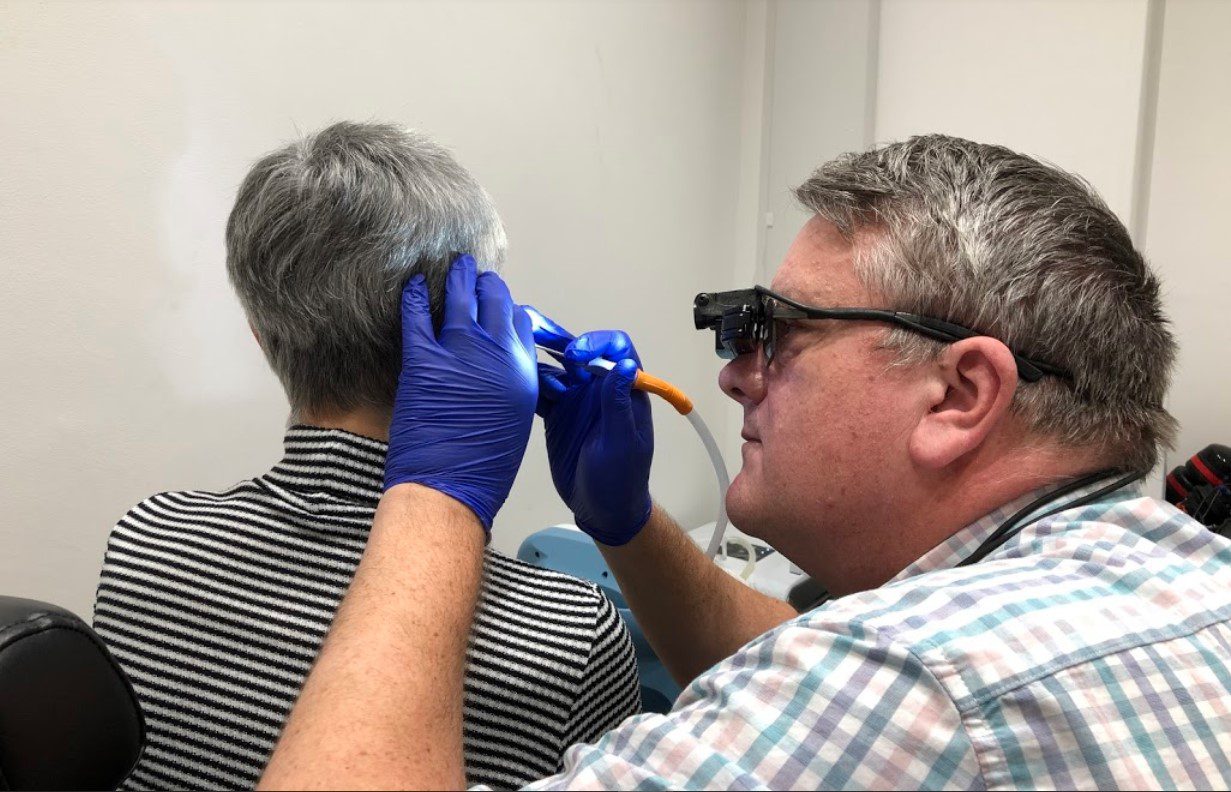
Ealing: Private Microsuction Ear Wax Removal in Ealing W5

East Finchley: Private Microsuction Ear Wax Removal in East Finchley N2
Edgware: Private Microsuction Ear Wax Removal in North London Nw4

Enfield: Private Microsuction Ear Wax Removal in Enfield En1
Finchley: Private Microsuction Ear Wax Removal in Finchley North London
Hastings: Private Microsuction Ear Wax Removal in Hastings Tn34
Hendon: Private Microsuction Ear Wax Removal in North West London Nw4
Hythe: Private Microsuction Ear Wax Removal in Hythe Ct21
Kingston: Private Microsuction Ear Wax Removal in Kingston-Upon-Thames Kt6
Mill Hill: Private Microsuction Ear Wax Removal in North West London Nw4

Milton Keynes: Private Microsuction Ear Wax Removal Mk in Bucks Mk2

Muswell Hill: Private Microsuction Ear Wax Removal in Muswell Hill N2

Oxford: Private Microsuction Ear Wax Removal in Oxford Ox2
Reading: Private Microsuction Ear Wax Removal in Reading Rg30

St Albans – Private Microsuction Ear Wax Removal in St Albans Al1
Surbiton: Private Microsuction Ear Wax Removal in Surbiton Kt6

Watford: Private Microsuction Ear Wax Removal in Watford Wd3

Welwyn Garden City: Private Microsuction Ear Wax Removal in Welwyn Al8
Read Clinic Details with Confidence
Good clinic information should be easy to trust. It ought to use consistent place names, explain the service clearly and present practical details that match the location. That is useful for patients, and also for answer engines that need reliable, entity-rich content to understand what each clinic offers. For a page like this, clarity matters more than flourish. People looking for ear wax removal, tinnitus support or microsuction want direct answers they can act on.
Signs of a Helpful Clinic Listing
A helpful clinic listing names the town, describes the service and explains access in plain British English. It avoids vague promises and concentrates on details such as parking, disabled access, nearby stations and the type of treatment available. If a page gives you all of that in a few lines, it usually means the clinic understands what patients need before they arrive. This matters particularly for first-time visitors who may feel nervous about the procedure or unsure whether wax is causing their symptoms.
Use the Page to Prepare Questions
Before booking, it can be useful to note anything you still want to clarify, such as treatment suitability, aftercare advice or whether both ears can be assessed during the same visit. A well-written clinic page should reduce uncertainty, not add to it. The aim is not to overwhelm you with detail, but to give you enough context to choose sensibly. That balance supports better decisions, smoother appointments and a better overall patient experience.